Playtime Optimization: Aviamasters 2 Game Playtime Tips
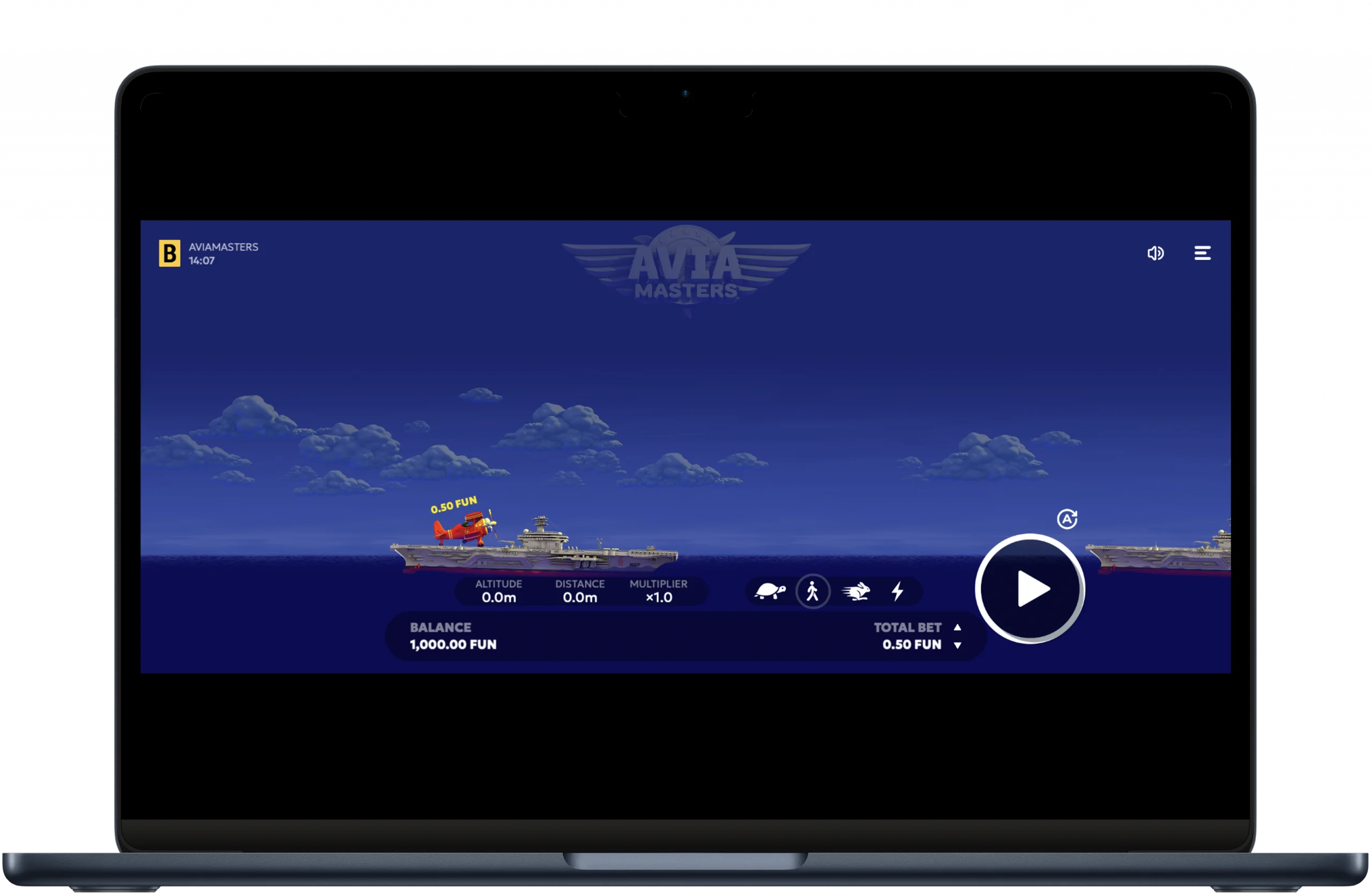
If you are passionate about flight sims, you recognize the struggle https://aviamasters2game.com/. Aviamasters 2 is a deep, absorbing game, but making the time to really get into it can be tough. Maximizing from your playtime isn’t about hurrying; it’s about optimizing every moment for your skills and your enjoyment. Here are some practical tips I use to make my own sessions more concentrated and satisfying.
Examine Your Results Post-Flight
I force myself to spend the last five minutes of a session on analysis. The game’s flight log and debriefing screen are perfect for this. I examine my landing touchdown rate, verify whether I strayed off my flight path, and review any warnings.
This quick summary cements what I gained and identifies what requires improvement. It gives the session a clear conclusion. I’ll write down one thing to concentrate on next time, like “initiate the flare slightly earlier.”
That habit of reflecting is what transforms random flying into real practice. You begin correcting errors instead of repeating them.
Master the Quick Start feature and Preset options
Aviamasters 2 models everything, but you don’t always have twenty minutes for a full startup sequence. For shorter weekday sessions, I rely heavily on the ‘Quick Flight’ menu. The key is to set up a few trusted presets ahead of time.
Set aside ten minutes in the hangar to save your go-to plane, airport, and weather as a preset. You’ll be glad you did. With one click, you’re on the runway with engines running, prepared to practice your objective instead of messing with fuel loads. Save the full cold and dark cockpit procedures for a quiet Saturday.
I have a few weather presets stored as well—one for clear skies, one for light rain, one for low visibility. It cuts another chunk off the setup time and puts you into the air faster.
Balance Difficulty with Fun and Configure Hardware Profiles
Prevent optimization kill the fun. I mix up the difficulty. If I’ve just botched a tricky instrument landing three times, my next session may be a stress-free visual flight along the coast.
Pay attention to your mood. Striving to nail a carrier landing when you’re already tired is a sure path to annoyance. Sometimes, the best use of your time is a flight that makes you smiling and desiring more.
If you have a complex setup with multiple peripherals, keep hardware profiles. Make one profile for your warbird with force feedback enabled, and a different one for your airliner with different sensitivity. Changing planes becomes instant, not a 10-minute recalibration chore.
Harness In-Game Time Compression Tactically
Piloting a cargo run across the continent in real time is a big ask. It is where the time acceleration feature is a lifesaver. I utilize it to skip the cruise portion of long flights.
It enables me to complete several delivery missions in a single evening, zeroing in on the interesting parts: planning, takeoff, and the approach. I always turn acceleration off before entering busy airspace or starting my landing pattern. Never employ it during takeoff or landing.
This one tool can transform a three-hour oceanic haul into a 30-minute session where you still perform all the important piloting tasks.
Enhance Your Physical and Virtual Setup
Your physical desk counts as equally as the digital cockpit. If my chair is not comfortable or my joystick is buried under papers, I get sidetracked and stop early.
I place my throttle, stick, and headset in the same spot every time. I reduce the main lights and use a lamp to avoid screen glare. Spending five minutes clearing makes a one-hour session become smooth and focused.

On the PC side, exit your web browser and other apps. Assign Aviamasters 2 all the RAM and CPU it can get. A stable, high frame rate is less tiring on your eyes and lets you focus on flying, not stutters.
Leverage the Stop Feature and Account for Distractions
Things come up. The doorbell rings, the kettle boils, the dog needs out. My rule is simple: I hit pause without a second thought.
Employing pause as a management tool protects missions. It prevents you from making a frantic, bad decision because you’re being pulled away. I also include short breaks into longer sessions on purpose.
Standing up for a glass of water or to stare out the window for five minutes resets your focus. You’ll return to the controls sharper and create fewer mistakes.
Sign up for an Online Squadron
Piloting with others brings structure. I signed up with a casual squadron that operates every Thursday night. Knowing the group expects me ensures I’m far more likely to reserve that time and participate.
- Group goals split the workload. Someone can navigate, someone can take care of comms, making complex flights easier.
- You pick up tricks in minutes from more experienced pilots that would need you hours to learn alone.
- A scheduled event is reserved time. It becomes a regular, high-quality segment in your calendar.
- Squadrons exchange optimal graphics settings, control profiles, and procedures, sparing you endless tweaking.
It transforms the hobby from something you do alone to a social event with built-in motivation and help.
Set Your Session Goals
I never just launch and see what happens. Having a clear goal turns a casual flight into a mission with a direction. It keeps you from staring at the menu screen and gives you something to actually complete.
- Skill Mastery:
- Progression:
- Exploration:
- Relaxation:
I scribble my goal on a sticky note. It may seem silly, but it is effective. That note helps me stay focused when I’m prone to just waste time. Knowing exactly what you want to do is the most efficient route to getting it done.
Concentrate on One Aircraft System at a Time
The systems in these planes are complex. Striving to learn the entire Airbus A320 in one go is a recipe for forgetting everything. I pick one thing per session.
Maybe today I’ll only work with the Flight Management Computer. Tomorrow, I’ll run through hydraulic failure drills. I follow the in-game checklists to keep this learning structured.
This bite-sized approach prevents your brain from frying. After a few weeks of these focused sessions, you’ll realize you’ve quietly learned the entire aircraft without the headache.
Common Questions
How much time should I spend on Aviamasters 2?
There is no fixed perfect length. A intense 30-minute session on a particular skill beats a unfocused four-hour play. For solid progress without burnout, I believe 45 to 90 minutes is optimal for most people.
Can I really progress if I only have one hour to play?
Certainly. Use a quick-start setup and choose one goal. “Today, I will successfully complete the VOR navigation tutorial,” or “I will land the 747 at Heathrow without going over the landing gear limit.” Short, regular sessions build muscle memory more quickly than sporadic, distracted marathons.
What is the most common time-wasting mistake?
Redoing the same mission repeatedly without reflecting. Before you press ‘restart,’ stop. Examine the log. Did you forget to lower the flaps? Did you misunderstand the altitude clearance? Two minutes of analysis can spare you twenty minutes of frustration. Moreover, don’t get distracted by tweaking graphics settings mid-flight.
How does joining a squadron optimize my time?
It provides you a timetable and a knowledge base. The mission is already planned, the aircraft are chosen, and the time is determined. You acquire from others’ mistakes and tricks. That weekly commitment also assists you guard that block of time from other commitments, making it a routine part of your week.
Is it advisable to use all assists when time is short?
Use assists to direct your learning. If your objective is to learn radio navigation, activate auto-throttle and flight stability so you can concentrate on the radios. If you’re practicing engine-out emergencies, turn everything else off. Align the assists to your objective for that day, and don’t feel bad about it.
